Understanding the Concept of Crowdfunded Community Gardens
Definition and Purpose
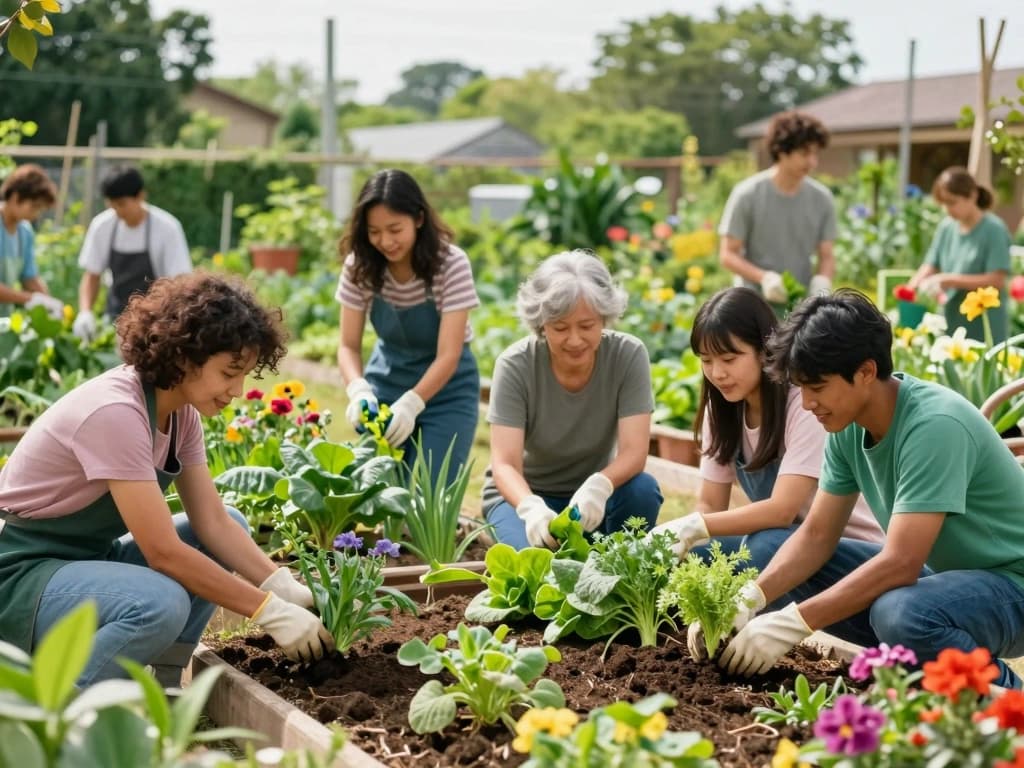
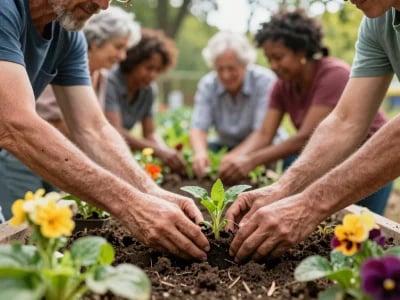
A crowdfunded community garden is a communal space where individuals come together to cultivate plants, vegetables, and flowers, funded through small contributions from a larger group of people, often via online crowdfunding platforms. The primary purpose of these gardens is not only to produce food but also to foster community spirit, promote environmental sustainability, and educate participants about gardening and healthy eating.
Benefits of Crowdfunding for Community Projects
Crowdfunding offers several advantages for community garden initiatives:
- Access to Resources: Crowdfunding allows organizers to gather the necessary funds for soil, seeds, tools, and other materials without relying solely on grants or personal contributions.
- Community Involvement: Engaging the community in the funding process creates a sense of ownership and commitment to the project.
- Awareness and Visibility: A crowdfunding campaign can raise awareness about local food issues and environmental sustainability, attracting further interest and support.
- Diverse Funding Sources: By reaching out to various donors, gardens can diversify their funding, reducing reliance on a single source and enhancing financial stability.
Key Players Involved in Crowdfunded Gardens
Successful crowdfunded community gardens rely on the collaboration of various stakeholders:
- Garden Organizers: These are typically passionate individuals or groups who initiate and manage the garden project.
- Community Members: Local residents who contribute financially and physically participate in the garden's upkeep and activities.
- Donors: Individuals or businesses that contribute to the crowdfunding campaign, often seeking to support local initiatives.
- Local Governments and Organizations: These entities can provide additional support, resources, or even matching funds for successful campaigns.
Setting Up a Successful Crowdfunding Campaign
Identifying Your Target Audience
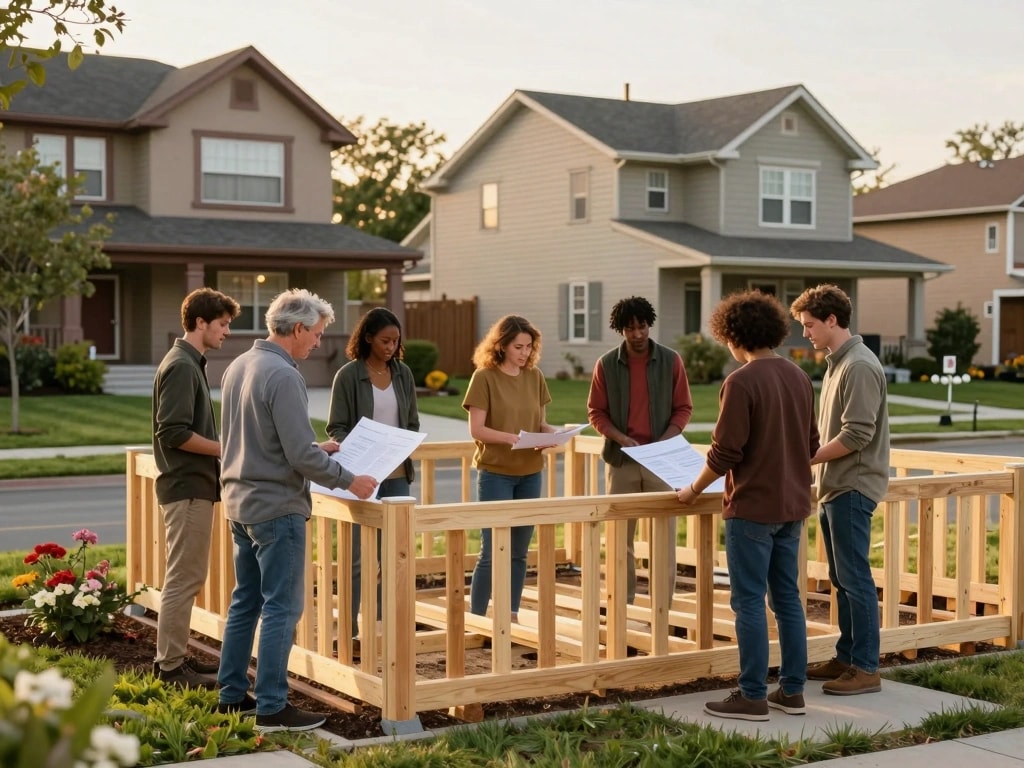
Before launching a crowdfunding campaign for a community garden, it is crucial to identify the target audience. This includes local residents, gardening enthusiasts, environmental advocates, and potential donors who share an interest in sustainability and community development. Conducting surveys, hosting informal meetings, or utilizing social media can help gauge community interest and tailor the campaign's messaging.
Crafting an Engaging Campaign Message
The message of the crowdfunding campaign should be clear, passionate, and personal. It should include:
- Storytelling: Share the vision behind the garden, including personal anecdotes, community needs, and the positive impact it aims to have.
- Goals and Objectives: Clearly outline what the funds will be used for, including specific financial goals (e.g., raising $5,000 for soil, seeds, and tools).
- Call to Action: Encourage potential donors to contribute by explaining how their support will directly benefit the community.
Selecting the Right Crowdfunding Platform
Choosing the right platform is vital for the success of the campaign. Popular platforms such as Kickstarter, GoFundMe, and Indiegogo each have their unique features:
- Kickstarter: Works on an all-or-nothing basis, making it suitable for projects with clear financial goals.
- GoFundMe: Allows for flexible funding, ideal for ongoing projects where the community can continuously contribute.
- Indiegogo: Offers both flexible and fixed funding options, giving garden organizers the choice based on their specific needs.
Researching each platform's fees, audience, and success rates will help organizers make an informed decision.
Building Community Engagement and Support
Organizing Workshops and Events
To foster community engagement, organizing workshops and events can be highly effective. These could include:
- Gardening Workshops: Teach community members about sustainable gardening practices, composting, and seasonal planting.
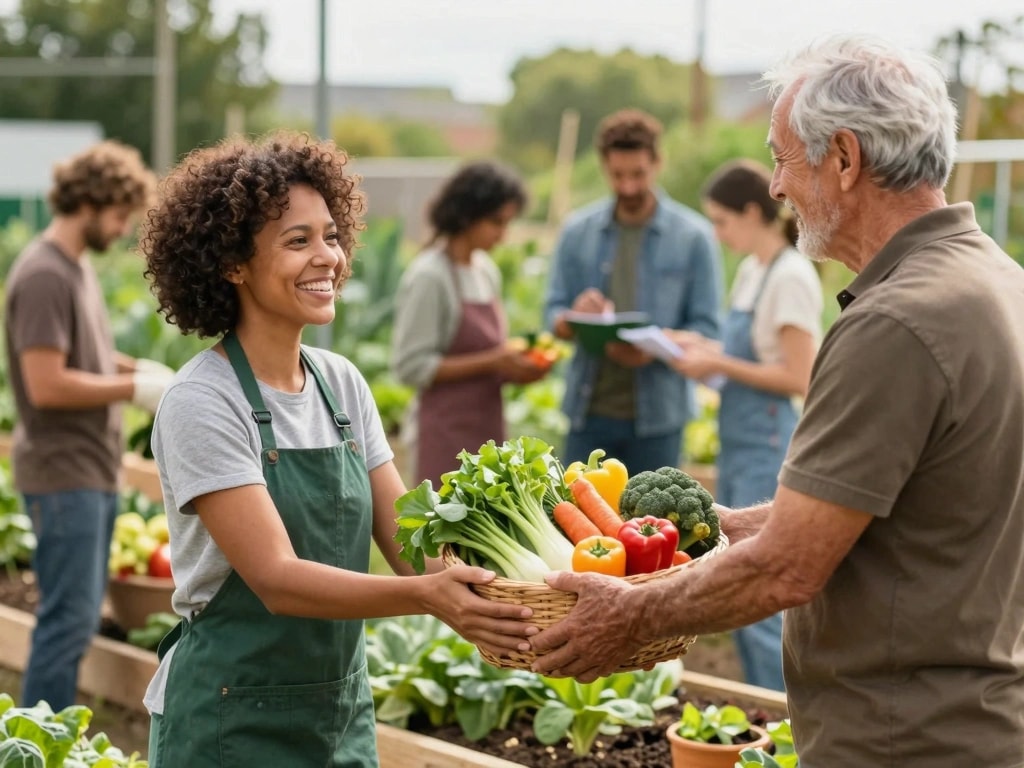
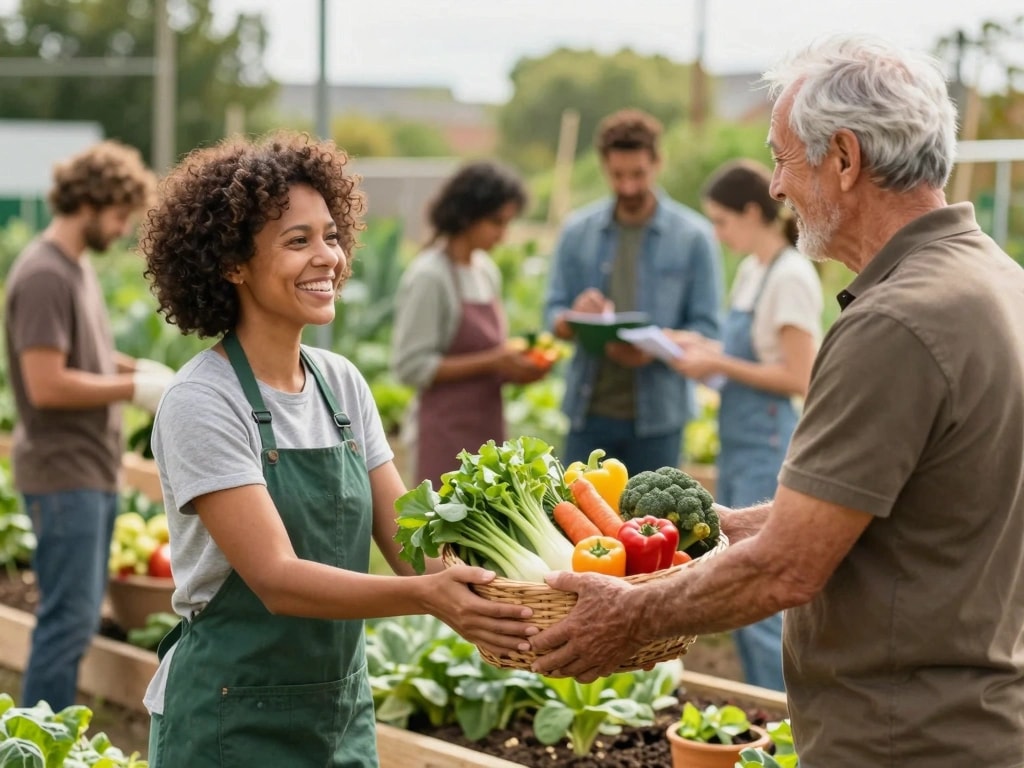
- Community Harvest Days: Invite donors and volunteers to participate in harvesting crops, creating a sense of accomplishment and connection.
- Fundraising Events: Host events such as potlucks or farmers’ markets to raise additional funds while promoting the garden.
Utilizing Social Media for Outreach
Social media platforms such as Facebook, Instagram, and Twitter can significantly amplify the campaign's reach. Strategies include:
- Regular Updates: Post updates on planting progress, upcoming events, and fundraising milestones to keep the community informed and engaged.
- Visual Content: Share photos and videos of the garden and its activities to inspire potential donors.
- Engagement Campaigns: Create campaigns that encourage community members to share their gardening experiences or gardening tips, enhancing community bonding.
Creating Incentives for Donors
Offering incentives can motivate more people to contribute. Consider providing:
- Recognition: Acknowledge donors on a community board or website, fostering a sense of pride and belonging.
- Exclusive Access: Offer donors early access to harvests or special gardening workshops.
- Merchandise: Create and sell branded items like T-shirts, tote bags, or garden tools, with proceeds going back into the garden funding.
Managing Finances and Resources
Budgeting for Initial Setup and Maintenance
Establishing a clear budget is essential for both the initial setup and ongoing maintenance of the community garden. Key components of the budget may include:
- Soil and Fertilizers: Estimate costs for quality soil and organic fertilizers, which can range from $200 to $500 depending on the garden size.
- Seeds and Plants: Depending on the type of crops, initial seed purchases can cost between $100 to $300.
- Tools and Equipment: Budget for hand tools, hoses, and possibly larger equipment, which can run from $300 to $1,000.
Tracking Donations and Expenses
Implementing a system to track donations and expenses is crucial for transparency and accountability. Consider using tools like:
- Spreadsheet Software: Utilize programs like Excel or Google Sheets to keep an organized record of all financial transactions.
- Accounting Software: Tools like QuickBooks or Wave can simplify tracking finances and generating reports.
Ensuring Transparency with Contributors
Transparency builds trust within the community. Regularly share financial reports with contributors detailing how funds are being utilized. This can include:
- Monthly updates on income and expenses.
- Visual presentations of project milestones reached and future goals.
- Inviting contributors to meetings where financial matters can be discussed openly.
Establishing Long-Term Sustainability
Creating a Governance Structure
As the community garden grows, establishing a governance structure helps in making decisions efficiently. This might include:
- A Steering Committee: Form a committee comprising community members who can oversee operations, fund allocation, and event planning.
- Regular Meetings: Schedule monthly or quarterly meetings to discuss progress, resolve issues, and plan future initiatives.
Developing Partnerships with Local Organizations
Building alliances with local organizations can enhance the garden's resources and outreach. Potential partners may include:
- Local Schools: Collaborate on educational programs or field trips to teach students about gardening.
- Nonprofits: Partner with environmental or food security organizations that may offer grants or volunteer support.
- Local Businesses: Seek sponsorships or donations in exchange for advertising their support on garden signage.
Planning for Seasonal Changes and Crop Rotation
Lastly, to ensure the garden thrives year-round, it's crucial to plan for seasonal changes and implement crop rotation strategies. This includes:
- Seasonal Planting Guides: Create a calendar that outlines when to plant different crops, ensuring a steady supply of produce.
- Crop Rotation: Rotate crops each season to maintain soil health and reduce pest problems, enhancing overall yields.
- Winter Planning: Consider cold-weather crops or cover crops to keep the garden productive even in winter months.